
A Chronic Kidney Disease (CKD) diagnosis can change the way you look at food.
Before the diagnosis, you probably did not think twice about every ingredient on your plate. You cooked what you liked, ate with your family, and followed your usual routine.
Then you hear the words “You have CKD.”
Suddenly, your kitchen feels like a question paper.
Can I eat this? Is this vegetable safe? Should I stop salt? What about fruits? Can I drink tea? Do I need to eat less protein?
These questions are completely understandable.
But here is something important to remember: having CKD does not automatically mean you have to stop eating everything you enjoy.
Your dietary needs depend on your kidney function, test results, overall health, and treatment plan.


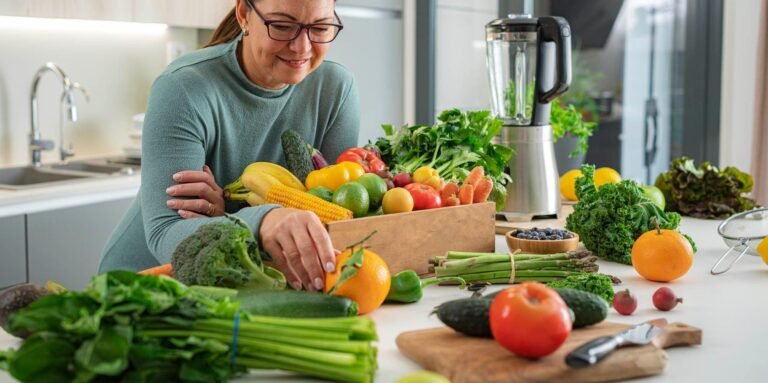
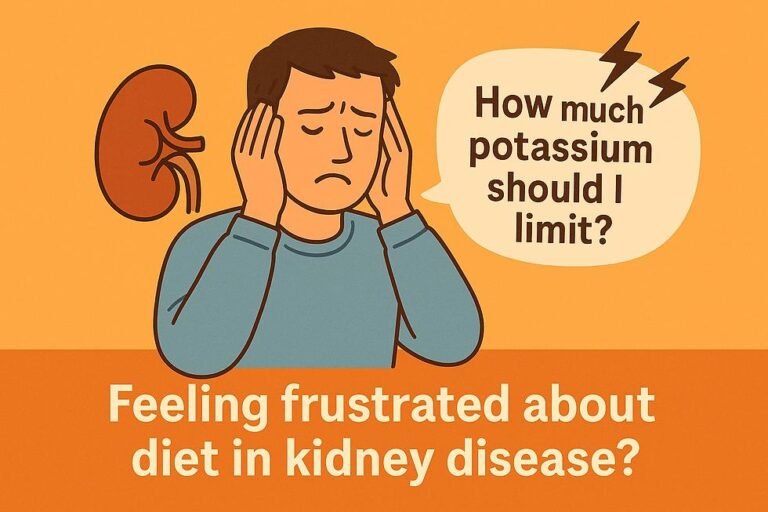

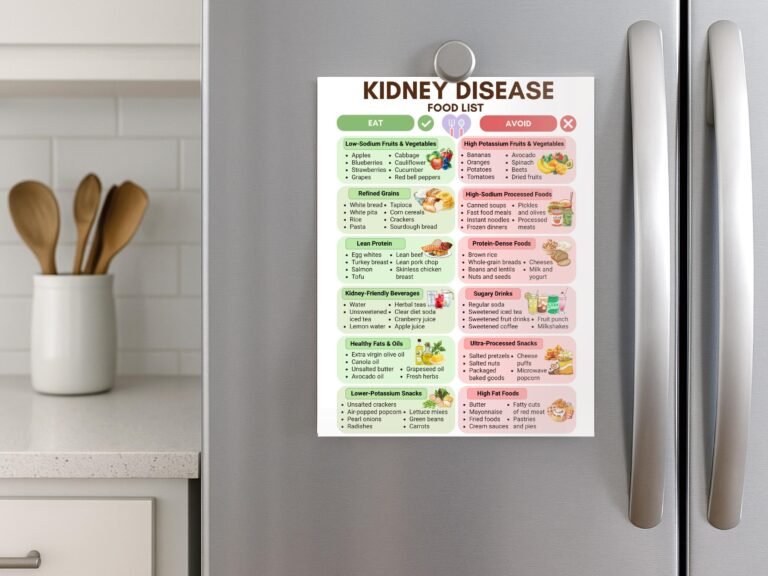
What should you eat after a CKD diagnosis?
There is no single CKD diet that works for everyone.
The right food choices can depend on several things, including:
- Your kidney function and CKD stage
- Your blood and urine test results
- Blood pressure
- Diabetes or other health conditions
- Sodium intake
- Potassium and phosphorus levels, when relevant
- Your protein needs
- Your fluid intake, if fluid restriction has been advised
This is why a diet that works well for one person with CKD may not be right for someone else.
Does CKD mean you have to avoid many foods?
Not necessarily.
After a CKD diagnosis, many people immediately start searching for “foods to avoid.”
They may stop eating fruits, vegetables, dairy products, protein-rich foods, or other familiar foods without knowing whether those restrictions are actually necessary for them.
That can make everyday meals stressful.
The goal is not to remove as many foods as possible.
The goal is to understand which changes, if any, your current kidney condition actually requires.
Should you stop eating salt if you have CKD?
Not necessarily.
For some people with CKD, reducing excess sodium can be important, especially when high blood pressure or fluid retention is also present.
But sodium does not come only from the salt you add while cooking.
Packaged foods, salty snacks, instant foods, pickles, sauces, and other processed foods can also add a lot of sodium to your diet.
So instead of asking only:
“Can I use salt?”
A better question is:
“How much sodium am I getting from my overall diet?”
Do you need to avoid potassium-rich foods?
Not everyone with CKD needs the same potassium restriction.
Your potassium needs can depend on your kidney function, blood potassium level, medications, and other health factors.
This is why general internet lists that say “never eat these fruits or vegetables if you have CKD” can be misleading.
A food that needs to be limited for one person may not need the same restriction for another.
Your own reports and healthcare advice matter.
What about phosphorus in CKD?
Phosphorus is another nutrient that may need attention in some people with CKD.
But that does not mean everyone with CKD needs to avoid all phosphorus-containing foods.
The need for dietary changes depends on your individual condition and laboratory results.
Instead of blindly following a long list of foods to avoid, it is better to understand whether phosphorus is actually a concern for you and what changes are appropriate.
Should you eat less protein after a CKD diagnosis?
This is another area where people often receive conflicting advice.
You may hear that people with CKD should eat less protein. Somewhere else, you may read that they need more protein.
The answer is not the same for everyone.
Protein needs can vary depending on kidney function, nutritional status, overall health, and the individual’s treatment plan.
So do not suddenly cut out protein-rich foods—or start taking protein supplements—without appropriate professional guidance.
Why can online CKD food lists be misleading?
Search for “CKD foods to avoid”, and you may find one list.
Search again, and you may find a completely different one.
You may also receive a WhatsApp message claiming that a particular fruit, vegetable, spice, or supplement is “bad for the kidneys.”
This can be confusing.
The problem is that a general food list does not know your kidney function, blood reports, medications, or other health conditions.
Online information can help you understand a topic, but it should not automatically become your personal
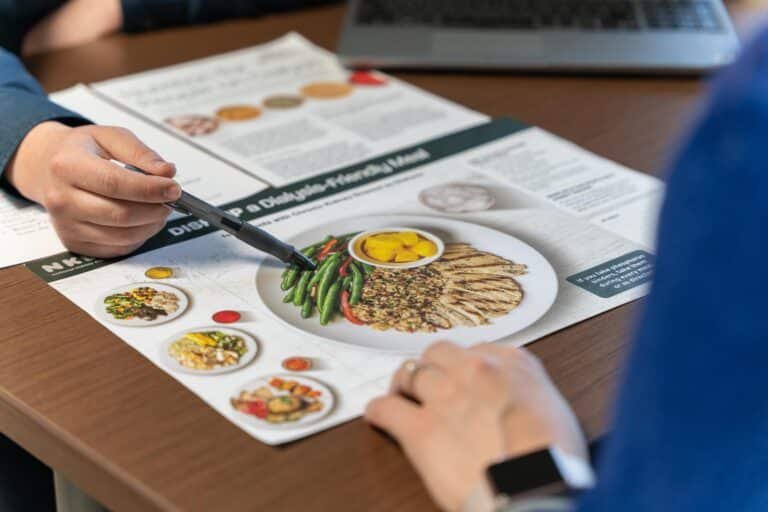

What is the best way to manage your diet after a CKD diagnosis?
Instead of asking:
“What foods should every person with CKD avoid?”
Ask:
“What dietary changes are appropriate for my current kidney condition?”
Start by understanding your important reports and the advice given by your healthcare professional.
If you have been asked to monitor sodium, potassium, phosphorus, protein, or fluids, understand why and what changes are actually appropriate for you.
And if you are unsure about a particular food, ask before removing it completely from your diet because of a social media post or forwarded WhatsApp message.
Does a CKD diagnosis mean food will always be stressful?
No.
It is normal to feel confused at first. Suddenly, you have new reports, medical terms, dietary questions, and advice to understand.
But over time, you can learn what applies to your own condition.
You do not need to look at every food as simply “good” or “bad for the kidneys.”
The more useful question is whether a particular food fits your current kidney condition and nutritional needs.
The Bottom Line
After a CKD diagnosis, your kitchen may suddenly feel like a question paper.
But you do not have to answer every question by following random internet lists or WhatsApp messages.
CKD dietary needs are individual. Kidney function, blood test results, other health conditions, and treatment can all influence the dietary changes you may need.
So before removing an entire food group from your diet, ask a better question:
“Is this food appropriate for my current kidney condition?”
That question can help you move from fear and confusion toward more informed food choices.
Medical Disclaimer
This article is for general educational purposes only. Dietary requirements can vary from person to person with Chronic Kidney Disease. Do not make major changes to your diet, fluid intake, protein intake, or supplements without appropriate guidance from a qualified healthcare professional.